The Integration of Promotional Triggers and Transaction Protocols in Tiered Mobile Gaming Rewards
Written by Quinn Werner · Jun 9, 2026
The Integration of Promotional Triggers and Transaction Protocols in Tiered Mobile Gaming Rewards
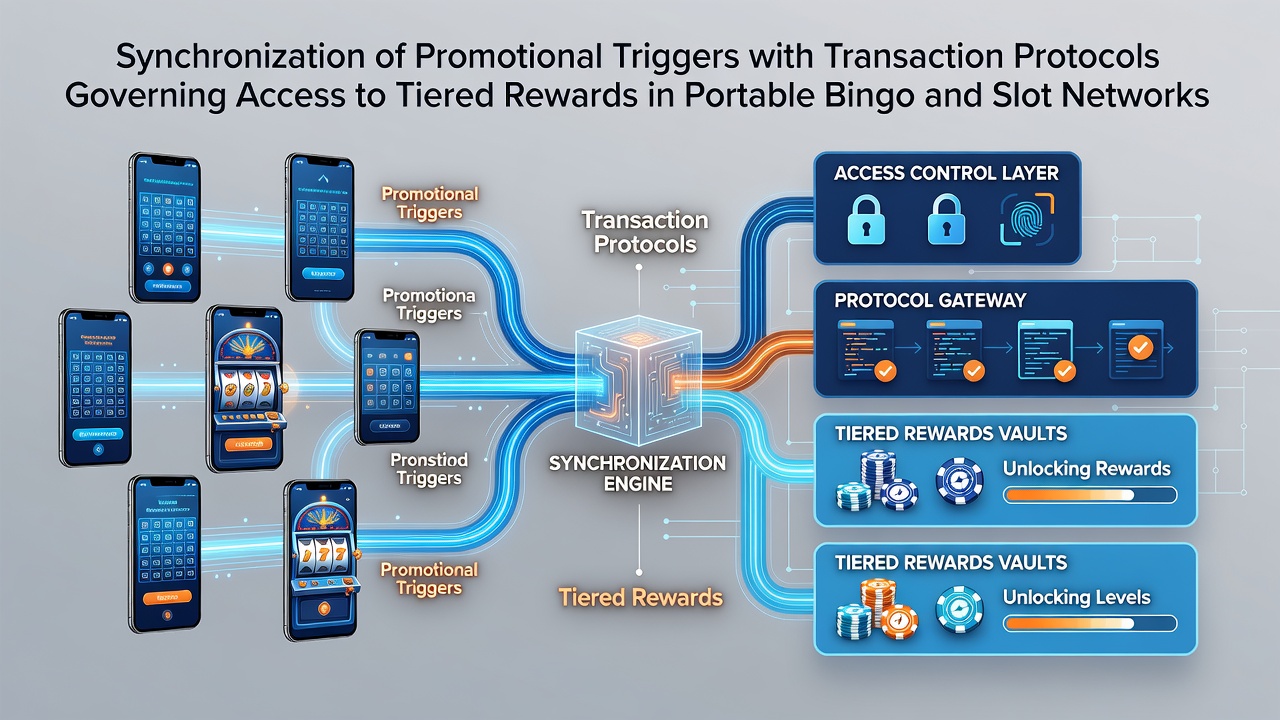
Portable bingo and slot networks rely on precise coordination between promotional triggers and transaction protocols to manage access to tiered rewards, and this synchronization determines how players move through different benefit levels based on deposit activity and gameplay patterns. Transaction protocols establish the rules for fund movements, while promotional triggers activate specific offers once certain thresholds get met, creating a system where rewards scale according to verified participation.
Operators design these systems so that a deposit of a defined amount can activate a trigger that unlocks entry to a higher reward tier, yet the protocol must confirm the transaction before any promotional benefit applies. In mobile environments this process occurs through secure APIs that link payment gateways directly to game servers, ensuring real-time validation occurs without delays that could disrupt player sessions. Data compiled by the Canadian Gaming Association indicates that synchronized systems reduce processing errors by up to 27 percent compared with independent trigger and protocol setups.
Mechanics of Promotional Triggers in Mobile Networks
Promotional triggers function as conditional signals that monitor player actions such as deposits, wager volumes, and session frequency, then initiate rewards when predefined criteria align. In bingo networks these triggers often activate during specific draw times or after completing a set number of cards, whereas slot platforms typically tie triggers to spin counts or cumulative bet totals. The key requirement remains that each trigger must interface cleanly with the transaction protocol so that only verified funds contribute toward tier progression.
Network operators segment rewards into multiple tiers that grant increasing percentages of cashback, free rounds, or bonus credits, and movement between tiers depends on cumulative transaction history rather than isolated events. Researchers at the University of Nevada, Las Vegas Center for Gaming Research have documented how these tier structures encourage sustained engagement because players see direct connections between their deposit patterns and reward availability. Synchronization prevents premature activation of higher-tier benefits before sufficient transaction volume has been confirmed through the protocol layer.
Transaction Protocols and Their Role in Reward Access
Transaction protocols define the sequence of authorization, settlement, and reconciliation steps that must complete before any promotional outcome can be applied, and they incorporate fraud checks, currency conversion, and compliance flags. When a player initiates a deposit the protocol validates the source, confirms available funds, and records the transaction in a ledger that promotional systems then reference. This ledger becomes the authoritative record that determines whether a trigger condition has been satisfied.
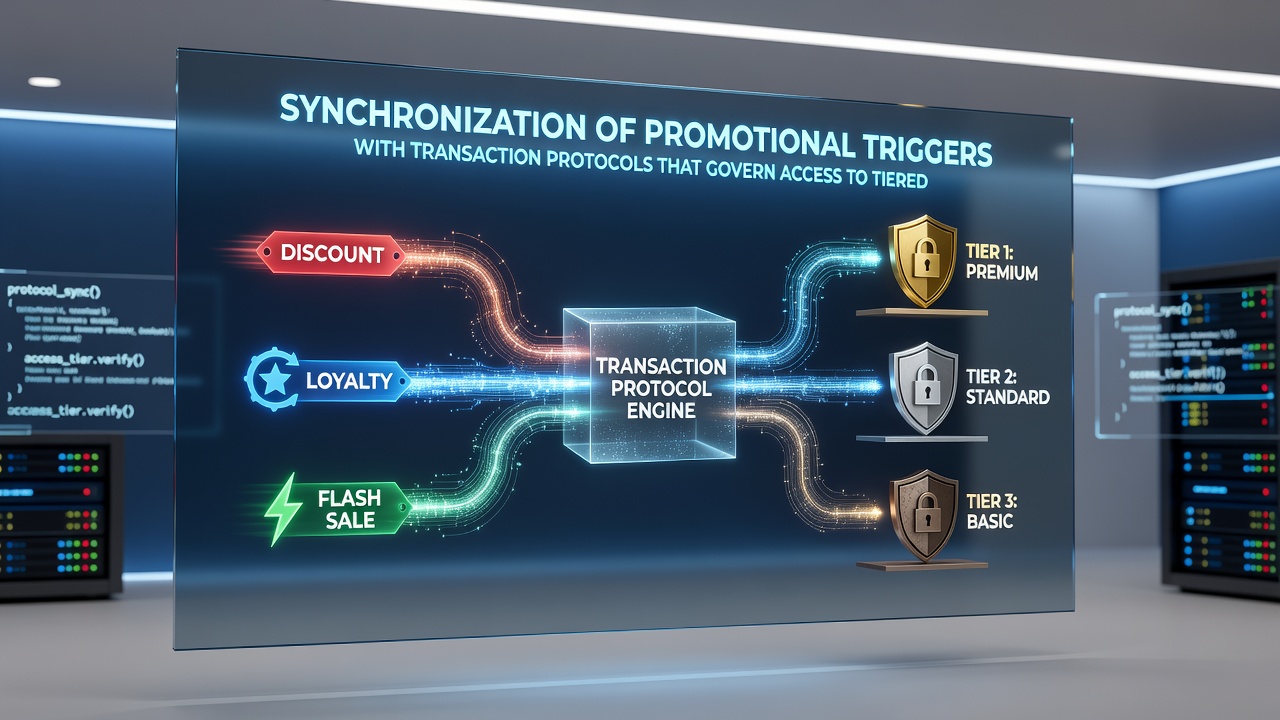
Portable networks add the complication of variable network latency and device-specific payment methods, so protocols include fallback procedures that maintain synchronization even when a mobile connection drops mid-transaction. As of June 2026 several major platforms have implemented edge-computing nodes that perform partial protocol validation on the device itself before full server reconciliation occurs, shortening the window between trigger detection and reward delivery. Observers note that these enhancements have improved completion rates for tier-advancement transactions across both bingo and slot environments.
Challenges in Maintaining Synchronization Across Platforms
Discrepancies arise when promotional triggers rely on data points that the transaction protocol does not yet record, such as pending deposits or bonus wagering contributions that have not cleared. Developers address this by establishing shared data schemas that both systems read from and write to, eliminating the need for separate polling cycles that could introduce timing errors. Industry reports show that platforms using unified schemas experience fewer player complaints about delayed tier upgrades than those maintaining separate databases.
Regulatory environments in multiple jurisdictions require audit trails that capture every interaction between triggers and protocols, and these records must demonstrate that rewards were granted only after transaction confirmation. Portable networks must therefore log device identifiers, timestamps, and protocol status codes alongside each promotional event. The Remote Gambling Association has published guidelines that recommend timestamp synchronization within 50 milliseconds to satisfy compliance reviews across different regional frameworks.
Impact on Player Progression and Network Performance
Players experience smoother progression through reward tiers when synchronization functions correctly because they receive notifications and credits immediately after completing qualifying transactions. Conversely, even brief desynchronization can block access to higher tiers until the next reconciliation cycle, which may span several hours in legacy systems. Modern portable implementations use event-driven architectures that push trigger confirmations the moment the protocol marks a transaction as settled, reducing average wait times to under 10 seconds in optimized deployments.
Slot and bingo networks that share the same backend infrastructure benefit from unified synchronization layers because a single protocol instance can serve both game types, allowing cross-game tier progression based on combined activity. This approach has become more common since early 2025 as operators consolidate mobile offerings to streamline compliance and reward management.
Conclusion
The synchronization of promotional triggers with transaction protocols forms the operational backbone that controls access to tiered rewards in portable bingo and slot networks, and continued refinement of these connections supports reliable reward delivery across mobile environments. As platforms evolve through 2026 and beyond, the emphasis remains on maintaining precise alignment between the two systems so that players encounter consistent and verifiable pathways to higher reward levels.