Synchronized Jackpot Networks Linking Bingo and Slots: Protocol Designs Governing Contributions and Claim Timelines
Written by Quinn Werner · Jun 11, 2026
Synchronized Jackpot Networks Linking Bingo and Slots: Protocol Designs Governing Contributions and Claim Timelines
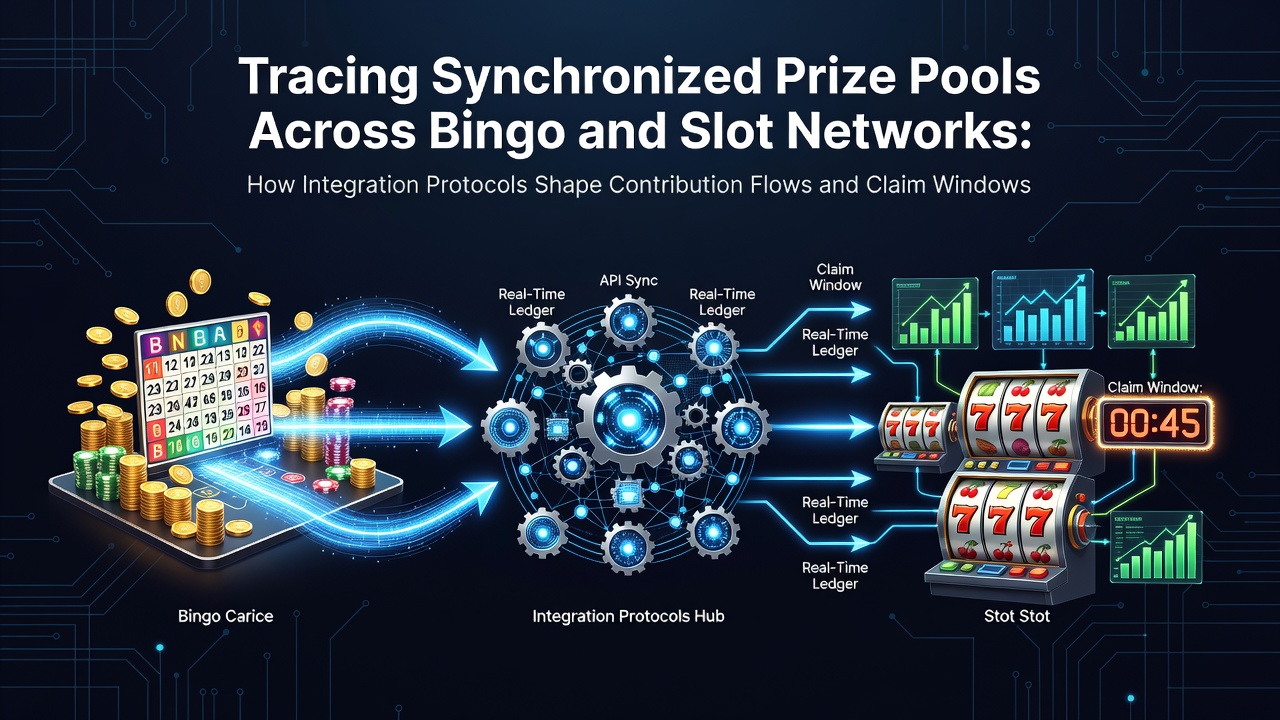
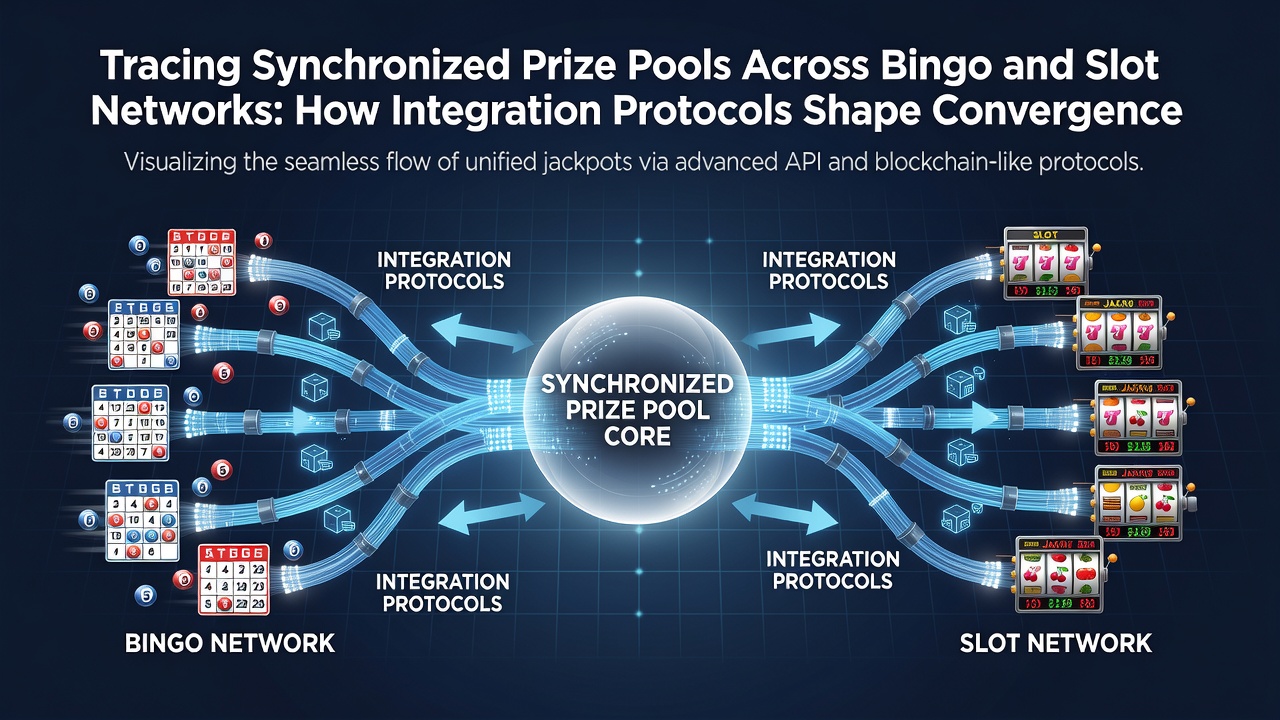
Networked gaming platforms now route jackpot contributions from bingo sessions adn slot spins into shared prize pools through standardized integration protocols that synchronize data in real time. These systems track every qualifying bet across separate game types and update pool balances without manual intervention. Operators implement these protocols to maintain consistent growth rates and avoid discrepancies that once delayed payouts in earlier standalone networks.
Protocol Standards and Data Exchange Mechanisms
Modern integration relies on API frameworks that transmit bet amounts, player identifiers, and timestamp data between bingo servers and slot management systems. Each protocol defines packet structures that include contribution percentages, typically ranging from 1 to 5 percent of each wager, and requires acknowledgment signals before the next transaction processes. In June 2026 several major networks adopted an updated version of the common jackpot messaging standard that added checksum verification to reduce transmission errors during peak hours.
Researchers at institutions studying gambling technology have documented how these protocols enforce synchronization cycles every 30 to 120 seconds depending on network load. The cycles pull contribution data from multiple operators into a central ledger that recalculates total pool values and broadcasts updates back to participating sites. This loop keeps displayed jackpot amounts identical across bingo and slot interfaces even when players participate on different devices or locations.
Contribution Flow Patterns Across Game Types
Contribution flows begin when a player places a qualifying bet in either bingo or slots. The protocol layer calculates the jackpot portion instantly and routes it through encrypted channels to the shared pool. Bingo contributions often arrive in batches after each game round completes while slot contributions transmit on a per-spin basis. Observers note that hybrid networks adjust weighting algorithms so that high-volume slot activity does not overwhelm slower bingo cycles and distort pool growth curves.
Data from industry reports indicate that synchronized pools receive an average of 62 percent of total contributions from slot play and 38 percent from bingo during typical operating periods. These ratios shift during promotional events when operators temporarily increase bingo contribution rates to balance participation. The protocols automatically apply these temporary adjustments without requiring code changes at individual venues.
Claim Window Configurations and Verification Steps
Claim windows define the period during which winners must complete identity verification and prize acceptance procedures. Most synchronized networks set these windows between 24 and 90 days although some regional regulations impose shorter limits. The protocol includes automated flags that start the countdown the moment a jackpot trigger occurs and sends notifications through the player account interface.
Verification sequences require the winning account to submit documentation that matches the player record stored at the time of the triggering bet. Once submitted the protocol cross-checks transaction logs from both bingo and slot sides before releasing funds. Networks that link multiple jurisdictions coordinate with local oversight bodies such as the Nevada Gaming Control Board and the Australian Communications and Media Authority to confirm compliance before final payout authorization.
Impact of Protocol Variations on Player Experience
Different networks apply distinct rules for handling partial contributions when a player switches between bingo and slots mid-session. Some protocols merge all activity into one continuous contribution stream while others reset the clock for each game type. Those variations affect how quickly smaller pools reach trigger thresholds and how claim processes unfold when multiple winners appear within the same synchronization cycle.
Figures released by the American Gaming Association show that networks using unified claim windows processed 94 percent of jackpot claims within the first 14 days after the win. Networks with staggered windows tied to individual game types recorded slightly longer average resolution times because players sometimes overlooked secondary deadlines. Protocol designers continue to test unified notification systems that consolidate all deadlines into a single player dashboard view.
Conclusion
Integration protocols continue to evolve as operators expand synchronized prize pools across bingo and slot environments. These systems determine contribution percentages, synchronization frequency, and claim window durations that directly shape how funds accumulate and how winners complete the redemption process. As networks adopt newer messaging standards and coordinate across additional regulatory regions the mechanics governing these flows remain central to maintaining consistent jackpot operations.