Processing Speeds and Access to Limited-Time Rewards in App-Based Gaming
Written by Quinn Simmons · Jul 11, 2026
Processing Speeds and Access to Limited-Time Rewards in App-Based Gaming
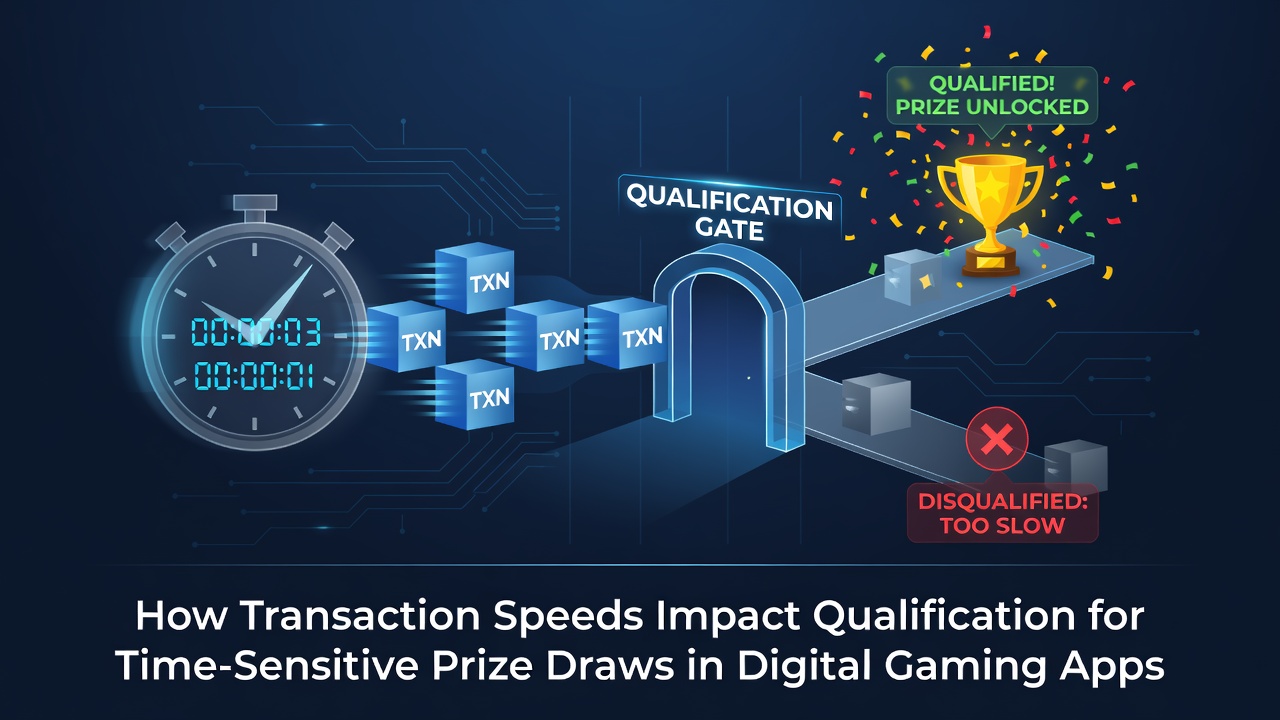
Transaction speeds determine whether players meet the narrow windows required for time-sensitive prize draws in digital gaming apps, since entries often close within minutes or hours after announcements appear. Network latency, payment gateway response times, and blockchain confirmation delays combine to create bottlenecks that can disqualify otherwise valid participation attempts, according to analyses from financial technology researchers at various institutions.
Core Mechanics of Transaction Processing in Gaming Platforms
Digital gaming apps rely on real-time verification systems that link player accounts to external payment processors, and these systems record every deposit or withdrawal with timestamps that must align precisely with draw eligibility rules. When a transaction processes in under three seconds, the entry registers before cutoffs, whereas delays exceeding ten seconds frequently push submissions past deadlines, figures from industry performance reports indicate. Payment rails such as credit card networks, digital wallets, and emerging stablecoin transfers each carry distinct latency profiles that operators track through automated monitoring tools.
Operators integrate application programming interfaces from multiple providers to route transactions along the fastest available path, yet congestion during peak evening hours still produces variable outcomes across different regions. Data compiled by the European Gaming and Betting Association shows that average mobile deposit completion times ranged between 1.8 and 4.2 seconds during the first half of 2026, with regional variations tied to local banking infrastructure.
How Delays Translate Into Missed Qualifications
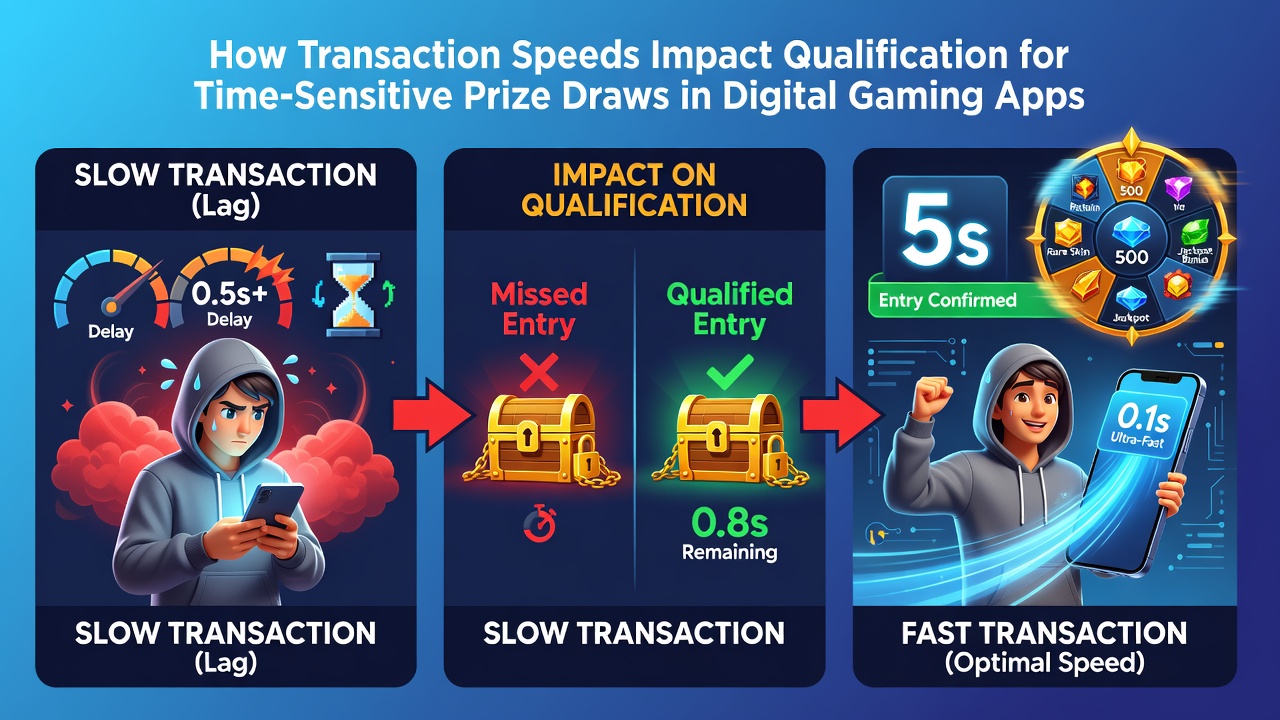
Time-sensitive prize draws operate under strict synchronization protocols that compare transaction completion timestamps against draw opening and closing markers, leaving little margin for processing variance. A single queued authorization step can shift an entry from eligible to invalid, particularly when platforms enforce sequential validation that requires both payment confirmation and identity checks before recording participation. Observers note that players using slower legacy banking methods encounter disqualification rates up to three times higher than those utilizing instant wallet transfers during high-volume events.
In July 2026 several major platforms introduced dynamic deadline extensions that activate only after transaction receipts arrive within a secondary grace buffer, yet these adjustments apply exclusively to verified high-speed methods and do not cover all user segments. Research conducted at the University of Nevada's gaming technology laboratory demonstrates that reducing average confirmation time by two seconds correlates with a measurable rise in successful entries for flash-style draws, while slower corridors show no such improvement.
Technical Factors Influencing Speed Variability
Device hardware capabilities, carrier network conditions, and server load distribution each contribute to the end-to-end latency experienced by individual users attempting to qualify for limited-window promotions. Apps that cache payment tokens locally achieve faster initiation phases, whereas those requiring fresh authentication on every transaction introduce additional round-trip delays that accumulate quickly. Network studies from the Canadian Gaming Regulators Association reveal that 5G connections reduce median processing intervals by 35 percent compared with 4G equivalents under identical app configurations.
Smart contract-based prize pools add another layer because blockchain nodes must reach consensus before balances update, and this step can extend beyond the ten-second threshold during periods of elevated chain activity. Platforms mitigate these effects through layer-two scaling solutions that batch multiple entries into single on-chain records, thereby preserving eligibility for more participants even when base-layer traffic spikes.
Regulatory and Platform Responses to Speed-Related Issues
Regulatory frameworks in multiple jurisdictions now require operators to publish transaction performance metrics and to maintain fallback mechanisms that preserve entry fairness when primary processing channels experience slowdowns. These rules emerged after several documented cases where clustered delays disproportionately affected users in specific geographic zones, prompting oversight bodies to mandate transparent reporting. The National Indian Gaming Commission has incorporated speed benchmarks into its technical standards for digital platforms operating under tribal compacts, requiring average confirmation times under five seconds for any draw tied to real-money deposits.
Platform developers respond by deploying predictive routing algorithms that select the lowest-latency path available at the moment of transaction initiation, and these systems continuously adjust based on live telemetry. Such measures have narrowed but not eliminated gaps between user cohorts, since hardware and connectivity disparities persist across the player base.
Conclusion
Transaction speeds directly govern eligibility outcomes for time-sensitive prize draws in digital gaming apps because entry systems enforce strict temporal boundaries that leave minimal tolerance for processing variance. Continued advances in payment infrastructure, combined with regulatory emphasis on performance transparency, shape how platforms manage qualification fairness. Data from multiple oversight entities and academic laboratories continue to track these interactions as technology and participation patterns evolve through 2026 and beyond.