Procedural Frameworks Connecting Regulatory Compliance and Secure Fund Transfers for Progressive Prize Winners in Online Platforms
Written by Anna Powell · Jul 23, 2026

Procedural Frameworks Connecting Regulatory Compliance and Secure Fund Transfers for Progressive Prize Winners in Online Platforms
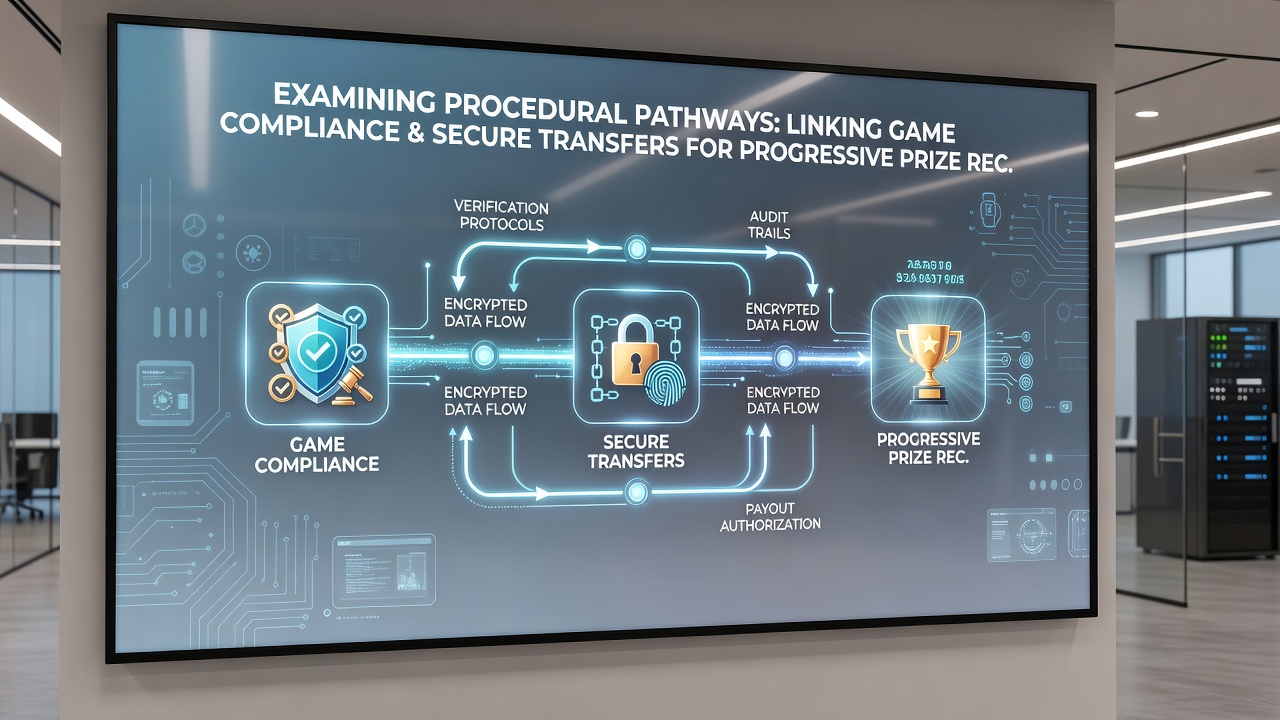
Digital platforms managing progressive prizes integrate layered compliance protocols with secure transfer systems to handle large payouts while meeting regulatory standards across multiple jurisdictions. These pathways begin with automated identity verification processes that cross-reference player data against global watchlists and transaction histories, and they extend through multi-stage approval workflows before funds reach recipients. Observers note that such frameworks reduce delays for winners while maintaining audit trails required by oversight bodies.
Core Elements of Game Compliance in Progressive Systems
Compliance starts at the moment a progressive jackpot triggers, where platforms activate identity confirmation modules that require government-issued documents, address verification, and source-of-funds declarations. Researchers have documented how these checks align with anti-money laundering directives in regions like North America and Europe, creating consistent standards that platforms must follow regardless of player location. In July 2026 platform operators reported increased use of biometric matching tools that speed up verification without compromising accuracy.
Regulatory requirements often mandate that platforms flag any prize exceeding set thresholds for manual review, and this step connects directly to broader risk assessment models used by financial teams. Those who study gaming operations point out that integration of real-time monitoring software allows teams to detect unusual patterns in player accounts before payout authorization proceeds, which helps prevent downstream issues during fund movement.
Secure Transfer Mechanisms for Prize Recipients
Once compliance clears, platforms route winnings through encrypted payment gateways that support multiple currencies and banking methods. These systems rely on tokenization techniques that replace sensitive account details with unique identifiers, reducing exposure during the transfer process. Data from industry reports shows that such methods have become standard in major markets, with processing times for verified winners averaging between 24 and 72 hours when all documentation meets criteria.
Payment providers handling these transfers maintain separate compliance certifications that platforms must validate annually, and this creates an additional checkpoint in the overall pathway. Experts have observed that recipients frequently receive detailed payout statements outlining tax withholdings and fee structures before the final transfer completes, ensuring transparency throughout the sequence.
Integration Points Between Compliance and Transfers
The connection between compliance checks and secure transfers occurs through centralized dashboards that track each stage of the payout journey. Platform teams coordinate with external auditors to confirm that every approved transfer aligns with both internal policies and external regulations, and this coordination prevents gaps that could delay recipients. Studies from academic sources indicate that platforms using unified software suites experience fewer interruptions compared to those relying on disconnected systems.
According to information published by the Pennsylvania Gaming Control Board, operators must demonstrate that their transfer protocols include secondary authorization layers for prizes above specific amounts. Similar expectations appear in guidance from the Alcohol and Gaming Commission of Ontario, where emphasis falls on maintaining records that link each compliance step to the corresponding fund movement.
Challenges and Platform Adaptations
Platforms encounter difficulties when recipients reside in jurisdictions with differing documentation standards, which requires flexible verification pathways that still satisfy the strictest applicable rules. Technical teams address these situations by maintaining updated databases of regional requirements and by training support staff to guide winners through the correct sequence of submissions. Observers note that such adaptations have become more refined as cross-border play increases.
Security incidents remain rare because platforms employ continuous monitoring that flags anomalies before they affect transfer execution, and this proactive stance helps preserve trust in the overall process. Recipients who complete all required steps often receive confirmation notifications at each milestone, which keeps them informed without requiring direct contact with multiple departments.
Conclusion
Procedural pathways that link compliance and secure transfers continue to evolve as platforms adopt new verification technologies and respond to updated regulatory expectations. These frameworks ensure that progressive prize recipients receive funds through channels that prioritize both security and adherence to established rules across operating regions. Ongoing refinements in July 2026 and beyond reflect efforts to balance speed with the rigorous checks that protect all parties involved in large digital payouts.