Payment Pathways: Tracing Banking Channels Through Networked Prize Systems
Written by Anna Powell · Aug 20, 2026
Payment Pathways: Tracing Banking Channels Through Networked Prize Systems
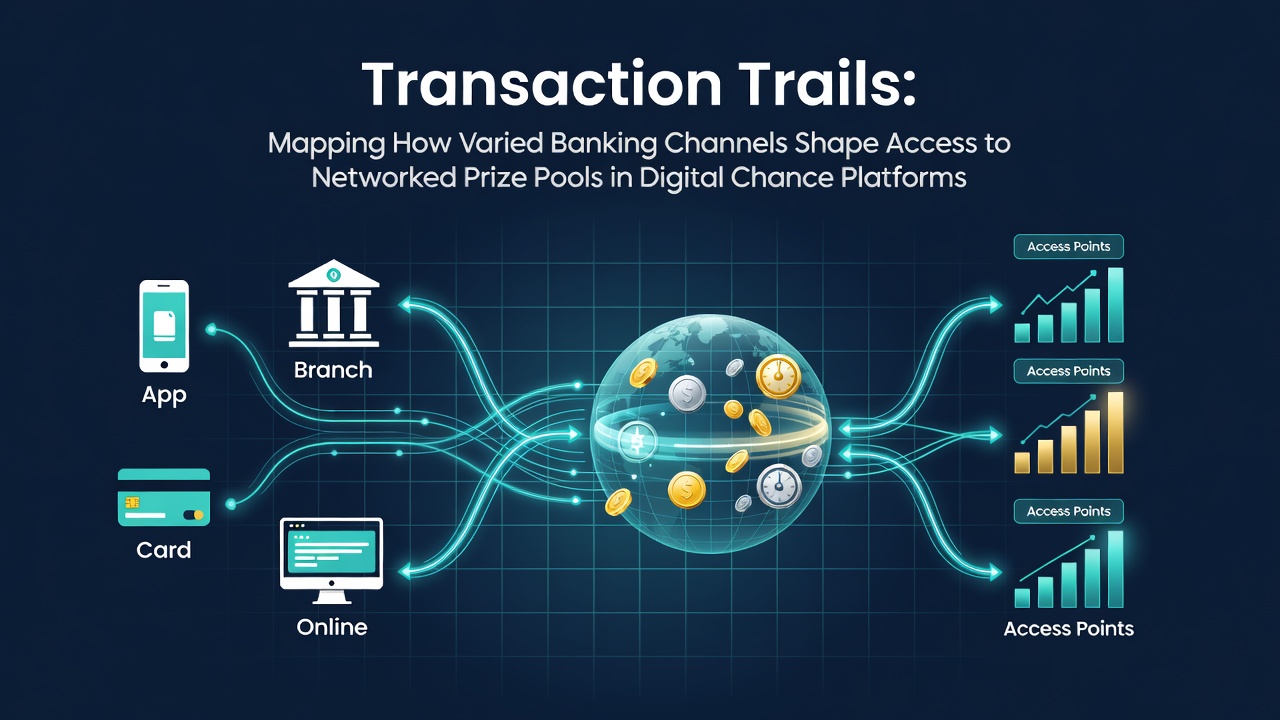
Transaction trails in digital chance platforms reveal how banking channels determine entry points to networked prize pools that span multiple games and operators, and data from regulatory reports shows these paths often dictate eligibility rules as well as processing speeds for contributions to progressive systems.
Core Banking Options and Their Network Connections
Credit and debit card transactions continue to dominate initial deposits across many platforms yet they trigger specific verification layers that can delay access to live jackpot pools until funds clear through international networks, whereas e-wallet services such as those offered by regional providers process faster and sometimes allow immediate participation in linked prize draws because their transaction records integrate directly with operator systems.
Bank transfers maintain a slower but more stable route that researchers at academic institutions have linked to higher retention in progressive pools since larger single transfers often meet minimum bet thresholds required for jackpot eligibility, and observers note that these methods leave clearer audit trails which regulatory bodies in Europe and Australia examine during compliance checks.
Regional Variations in Channel Availability
European operators frequently restrict cryptocurrency deposits from contributing to certain networked prize pools following guidelines issued by national authorities, while Canadian platforms have expanded support for instant bank payments that feed directly into cross-game jackpot meters according to industry association summaries released in early 2026.
Australian data indicates that prepaid card usage remains limited in high-tier progressive environments because transaction limits prevent the accumulation of qualifying stakes, and this pattern leads players toward hybrid accounts that combine card funding with e-wallet withdrawals to maintain continuous access across multiple prize networks.
Impact on Prize Pool Participation Rates
Figures released by the European Gaming and Betting Association illustrate how payment method choice correlates with participation volume in linked jackpot systems, with card-based deposits showing steady monthly growth through August 2026 while bank transfer volumes fluctuate seasonally around major sporting events that drive overall platform traffic.
Those who study transaction patterns find that platforms using automated reconciliation tools reduce the time between deposit confirmation and jackpot eligibility, which in turn increases the total number of active contributors to any given prize pool at any moment, and this efficiency matters because progressive meters advance only when qualifying bets register in real time.
Regulatory Influences on Transaction Routing
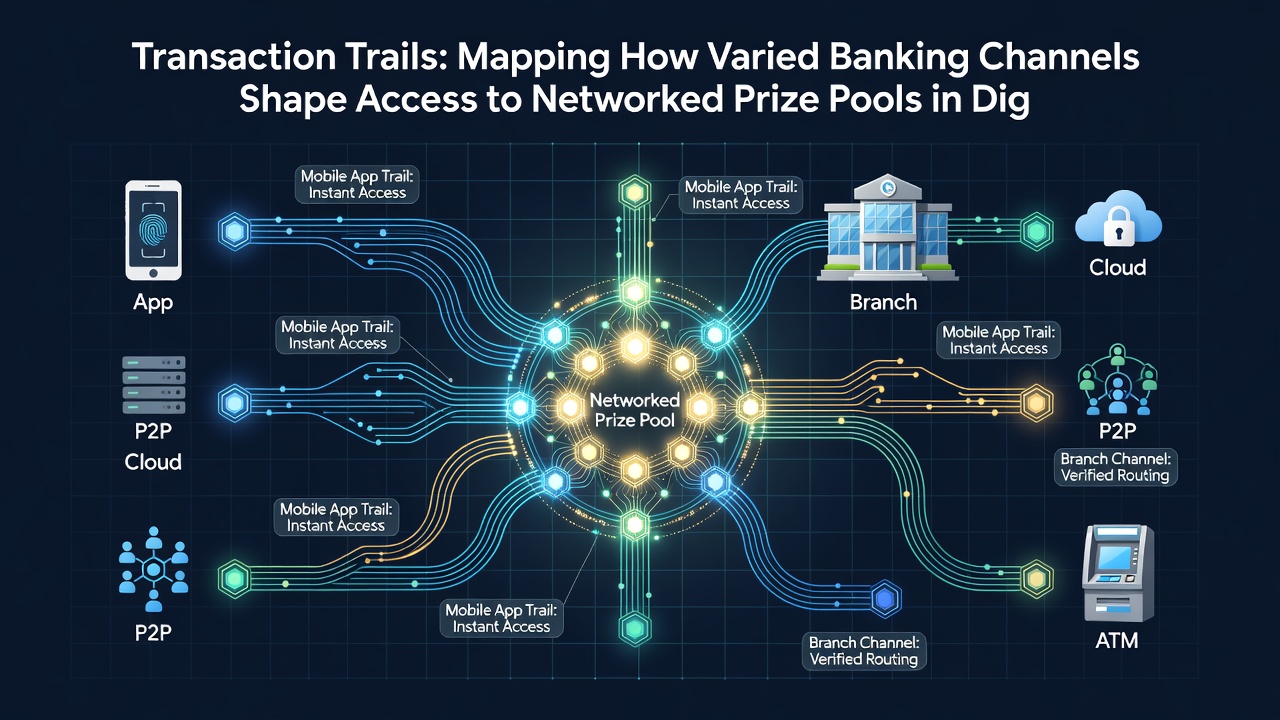
Government agencies across multiple jurisdictions require operators to maintain separate ledgers for different payment types when tracking contributions to shared prize pools, and this separation ensures that any reversal or chargeback affects only the originating channel without disrupting the overall jackpot balance.
Studies conducted by university research groups have mapped how these rules create distinct pathways where some banking options route funds through additional compliance checks that temporarily hold jackpot eligibility until verification completes, whereas others bypass such holds through pre-approved merchant categories established with payment processors.
Future Channel Developments
Platform operators continue testing new integration methods that could allow direct account-to-account transfers to feed into progressive systems without intermediate wallets, and early trial data from select markets shows reduced friction that may expand the pool of participants who can contribute consistently over longer periods.
Conclusion
Transaction trails ultimately determine which players gain sustained access to networked prize pools because each banking channel carries its own set of processing rules, verification requirements and eligibility thresholds that operators must align with regulatory standards across regions. Data continues to show that platforms adapting multiple channels while maintaining clear audit paths achieve broader participation in linked jackpot environments without compromising compliance.