Networked Gaming Ecosystems: Data Integration Across Platforms for Reward Accumulation and Secure Transactions
Written by Anna Powell · Jul 18, 2026

Networked Gaming Ecosystems: Data Integration Across Platforms for Reward Accumulation and Secure Transactions
Networked gaming systems connect multiple titles through shared databases that track player activity across platforms, allowing rewards to build from contributions in slots, bingo, and other formats. These connections rely on centralized servers that collect betting data in real time, pool portions of wagers into progressive funds, and update balances without requiring separate logins for each game. Data flows occur through secure APIs that standardize inputs from different software providers, ensuring compatibility while maintaining encryption during transmission.
Accumulation mechanics depend on this integration, as each bet in a linked title adds to a common pool visible to participants across the network. Systems calculate increments based on predefined percentages of stakes, with adjustments triggered when activity spikes in one region or during promotional periods. In July 2026, several platforms reported increased cross-title participation following updates to their backend protocols that reduced latency in data synchronization by up to 40 percent according to industry benchmarks from the European Gaming and Betting Association.
Mechanics of Cross-Game Data Exchange
Operators maintain master ledgers that record every qualifying wager, player identifier, and timestamp, then distribute updates to connected games within milliseconds. This setup permits a single progressive meter to rise from activity in mobile slots during morning hours and bingo sessions later in the day, creating unified reward trajectories. Security protocols include tokenization of sensitive identifiers and regular audits of data pipelines to prevent unauthorized access or tampering. Researchers at the University of Nevada's gaming technology laboratory documented how such tokenization methods reduced breach incidents in simulated multi-platform environments by isolating transaction records from direct player profiles.
Transfer processes for accumulated rewards follow standardized verification steps before funds move to player accounts. Automated checks confirm wager history against minimum thresholds, apply regional tax rules where applicable, and route approved amounts through payment gateways that support multiple currencies. These steps occur within encrypted channels that log each stage for compliance records, allowing platforms to demonstrate adherence to oversight requirements from bodies such as the Nevada Gaming Control Board and Australia's National Broadband Network gaming oversight group.
Security Protocols in Reward Transfers
Secure transfers incorporate multi-factor authentication tied to device fingerprints and behavioral analytics that flag unusual patterns before completion. When a player reaches a payout threshold, the system initiates a hold period during which additional cross-checks compare activity logs across all linked titles to confirm consistency. This approach addresses risks associated with coordinated play attempts or data manipulation, as discrepancies trigger manual review by compliance teams. Data from the Canadian Partnership for Responsible Gambling indicates that integrated verification layers have contributed to faster resolution times for legitimate claims while maintaining audit trails that satisfy international standards.
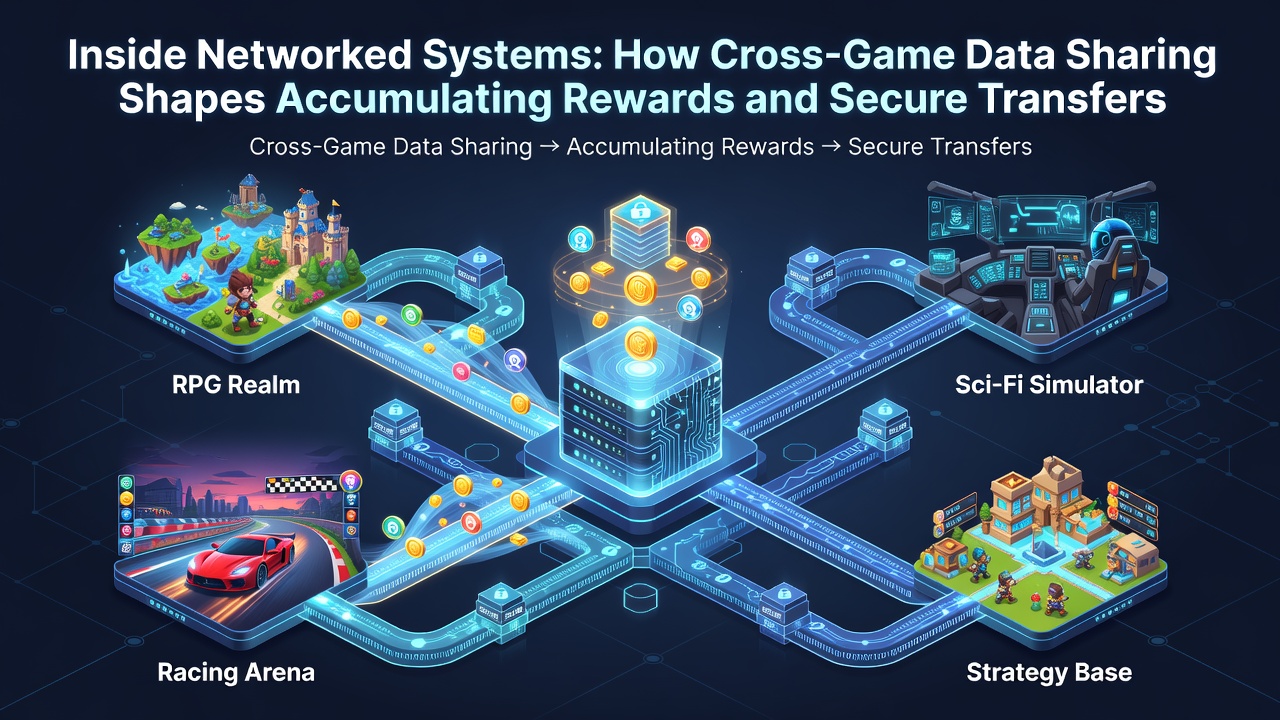
Platform operators also deploy redundant storage across geographically distributed servers to protect against localized outages, ensuring reward data remains accessible even during maintenance windows. Synchronization routines run continuously, reconciling temporary discrepancies that arise from regional latency differences. Observers note that these redundancies have become standard practice following several high-profile network incidents in prior years that exposed single-point vulnerabilities in earlier architectures.
Impact on Player Reward Structures
Players experience unified progress bars that reflect combined contributions, which simplifies tracking and encourages continued participation across varied game types. Reward tiers often scale with total network volume rather than isolated game performance, creating opportunities for smaller individual bets to influence larger collective outcomes. Reports compiled by the American Gaming Association highlight that networks incorporating cross-game data sharing recorded higher average session durations in 2025 compared with standalone titles, attributing the difference to visible meter growth that spans multiple categories.
Case examples from European operators show how seasonal campaigns leverage these systems to boost engagement, such as linking bingo drops with slot progressives during summer months. The resulting data streams feed analytics tools that adjust contribution rates dynamically, balancing pool growth against payout frequency to sustain long-term viability. Those who monitor these metrics report that transparent display of shared data correlates with increased trust in the fairness of accumulation processes.
Regulatory Considerations and Future Developments
Regulatory frameworks require operators to document data handling practices for cross-border transfers, including consent mechanisms for players whose activity spans multiple jurisdictions. Guidelines from the Malta Gaming Authority emphasize separation between operational data and marketing profiles to protect participant privacy while permitting necessary verification for reward distribution. Compliance teams conduct periodic stress tests on these systems to verify resilience against simulated attacks or data corruption scenarios.
Emerging technologies such as distributed ledger elements are under evaluation for enhancing transparency in progressive calculations, though full adoption remains limited as of mid-2026. Pilot programs in select markets test hybrid models that combine traditional centralized ledgers with selective blockchain entries for audit purposes. These experiments aim to reduce reconciliation times between platforms while preserving the speed required for real-time meter updates.
Conclusion
Networked systems continue to evolve through refinements in data exchange protocols that support both reward growth and transfer security. Integration across titles creates interconnected economies where activity in one area directly influences outcomes elsewhere, supported by layered verification that meets diverse regulatory expectations. Continued monitoring of these infrastructures reveals patterns in participation and payout distribution that inform ongoing technical adjustments across the sector.