Loyalty Systems Reshaping Prize Pool Accessibility in Smartphone Entertainment Applications
Written by Quinn Werner · Aug 13, 2026
Loyalty Systems Reshaping Prize Pool Accessibility in Smartphone Entertainment Applications
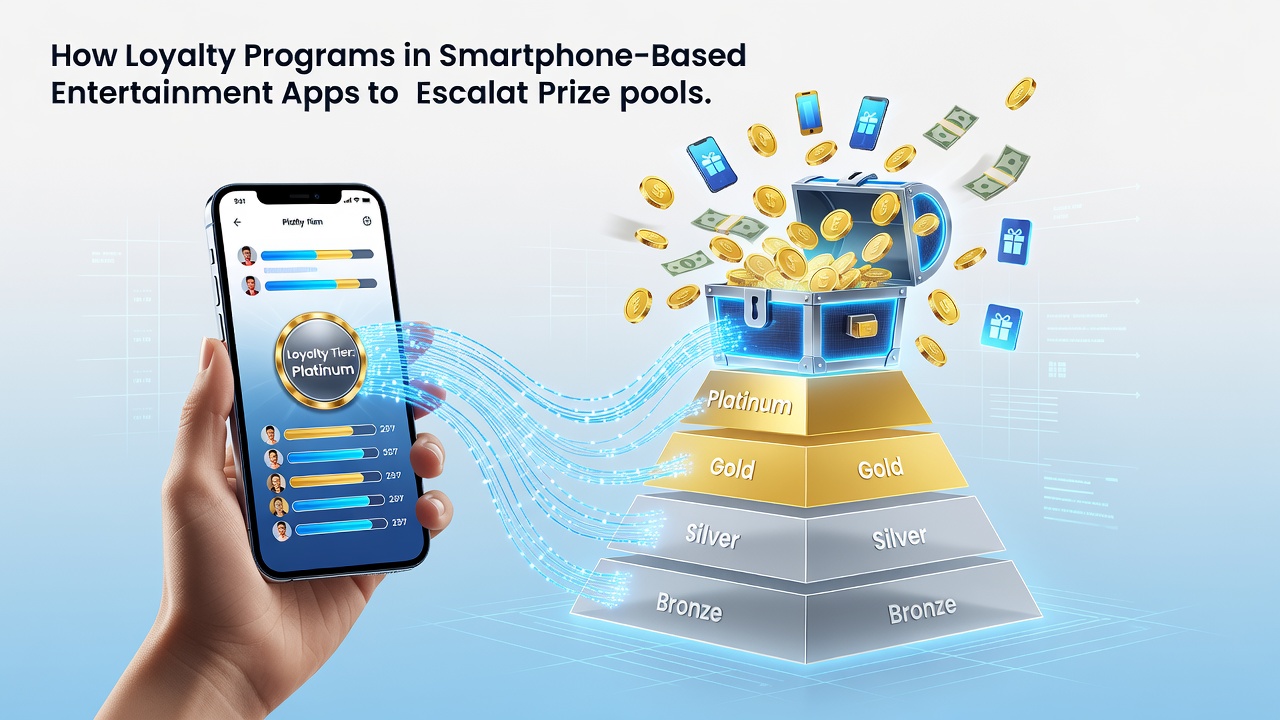
Smartphone-based entertainment apps have integrated loyalty programs that determine user access to expanding prize pools through structured reward tiers and engagement metrics. These systems track player activity across sessions and adjust eligibility for progressive rewards accordingly. Data from industry reports shows that participation rates in such programs increased notably between 2024 and 2026 as app developers refined tier structures to retain users over longer periods.
Mechanics of Tiered Loyalty Frameworks
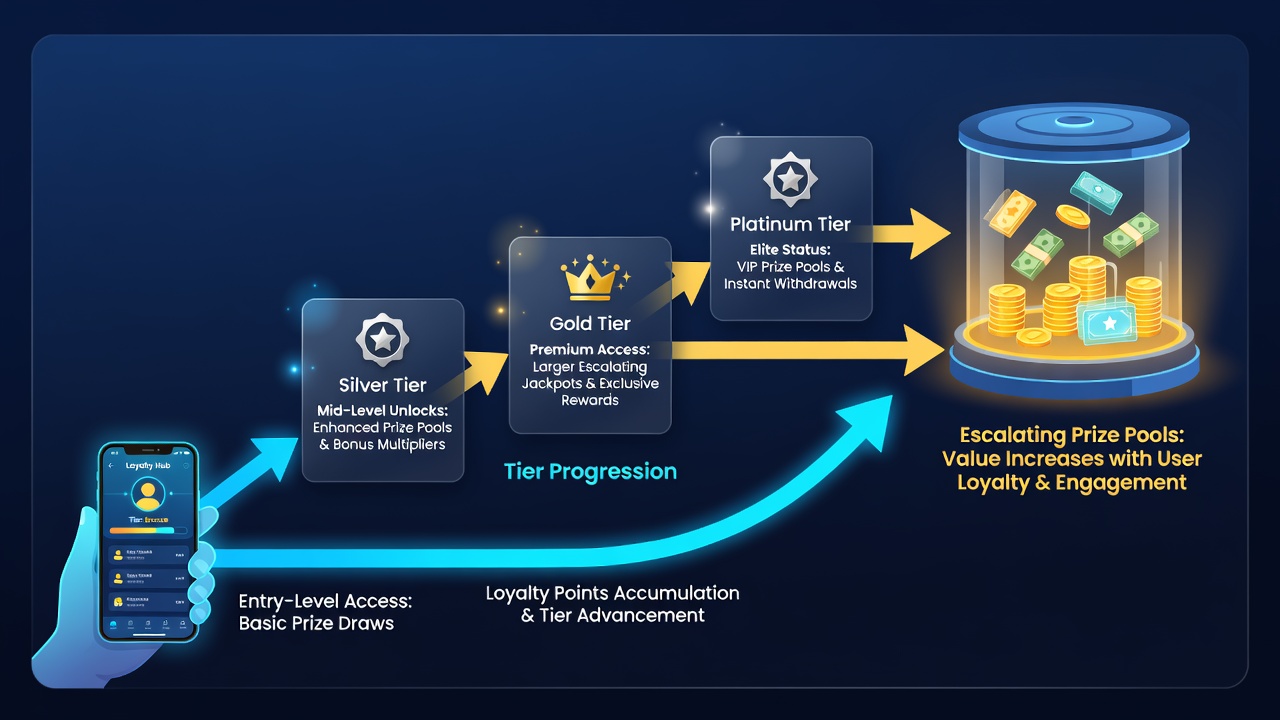
App operators assign points based on deposit frequency, session duration, and specific in-game actions, then convert those points into tier advancements that unlock higher prize pool entries. Users at entry levels receive access to fixed reward brackets while advanced tiers open pathways to escalating pools that accumulate from collective contributions. Researchers at academic institutions have documented how these frameworks create graduated access points rather than uniform distribution across all participants.
Points accumulation often resets on monthly cycles in many platforms, which encourages consistent engagement to maintain status. Observers note that algorithms behind these systems factor in variables like consecutive login streaks and referral activity to accelerate tier progression for select users. This approach results in differentiated prize pool visibility where higher tiers reveal larger accumulations that lower tiers cannot view or claim.
Connection Between Loyalty Status and Progressive Accumulations
Escalating prize pools in these apps typically draw from a percentage of wagers placed across the user base, yet loyalty status gates the ability to contribute toward or claim from those growing totals. Higher-tier members gain multipliers on contributions which in turn feed into larger pool growth rates visible only to them. Figures from mobile analytics providers indicate that pools tied to loyalty tiers reached record levels in several apps by August 2026 due to increased cross-regional participation.
One study revealed patterns where users who advanced through loyalty milestones experienced earlier notifications about pool thresholds nearing payout triggers. These notifications include details on minimum bet requirements that apply exclusively at each tier. Developers implement these rules to balance pool distribution while directing larger shares toward sustained participants.
Regional Regulatory Influences on Program Design
Regulatory frameworks in various jurisdictions shape how loyalty programs integrate with prize pools. In Australia the Australian Communications and Media Authority has issued guidelines that require clear disclosure of tier benefits and pool contribution rates. Canadian provincial regulators have examined similar structures to ensure transparency around eligibility criteria for escalating rewards. These oversight measures influence app operators to standardize point conversion rates across different user segments.
European data protection rules also affect how apps collect and process activity data used for loyalty calculations. Compliance leads to segmented program rollouts where certain features activate only after users meet geographic verification steps. Such adaptations maintain operational consistency while aligning with local standards on reward accessibility.
Technological Integration Driving Pool Visibility
Smartphone apps employ real-time tracking APIs that update loyalty status and prize pool amounts simultaneously during active sessions. Cloud-based servers synchronize these updates across devices so users see immediate changes when they complete qualifying actions. Industry organizations report that integration of machine learning models helps predict which users will reach tier thresholds and adjusts pool contribution rates dynamically to sustain momentum.
Push notification systems alert participants when their status unlocks new pool segments and these alerts often include progress bars showing distance to the next tier. Data indicates that apps utilizing such features recorded higher retention rates through the first half of 2026 compared to those without integrated loyalty tracking.
Examples of Implementation Across Platforms
Several entertainment apps demonstrate these dynamics through distinct loyalty structures. One platform links weekly challenges directly to tier advancement which feeds into a shared progressive pool that grows faster for premium members. Another uses streak-based bonuses that multiply contributions to daily accumulating prizes available only after reaching mid-level status. Observers have tracked how these variations produce measurable differences in average pool sizes across comparable user bases.
Case examples show users who maintain consistent activity across multiple months unlocking access to pools that exceed base-tier totals by significant margins. These outcomes stem from algorithmic scaling rather than random allocation and they reflect deliberate design choices by app developers.
Conclusion
Loyalty programs continue to define differentiated access pathways to expanding prize pools within smartphone entertainment applications through tier mechanics, activity tracking, and regulatory compliance. Developments observed through August 2026 highlight ongoing refinements in how these systems allocate visibility and eligibility based on sustained participation metrics. The interplay between user engagement data and pool accumulation remains central to platform operations across multiple regions.