Every Spin Counts: Player Contributions Powering the Growth of Progressive Jackpots
Written by Quinn Simmons · Apr 1, 2026
Every Spin Counts: Player Contributions Powering the Growth of Progressive Jackpots
The Mechanics Behind Progressive Jackpot Growth
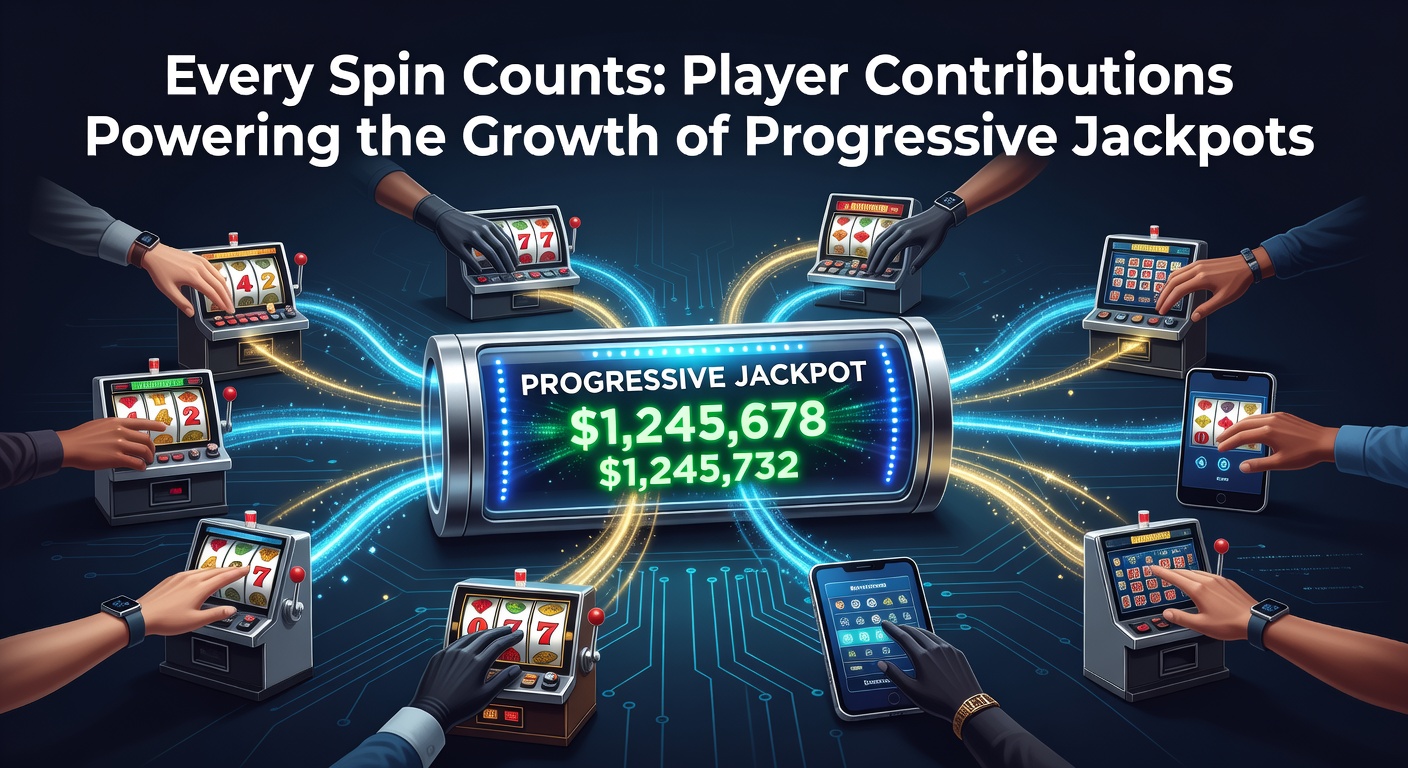
Progressive jackpots thrive on a simple yet powerful principle; every qualifying bet from players across linked games funnels a small percentage into a central prize pool, causing it to swell over time until someone hits the winning combination. Operators set aside typically 1-5% of each wager—depending on the game and jurisdiction—directly boosting the jackpot, while base game payouts remain fixed from the remaining stake. This shared contribution model links machines or online slots not just within a single casino but often across networks spanning multiple venues or digital platforms, accelerating accumulation at rates that fixed jackpots simply can't match.
Take networked progressives in slots, where a single spin on a title like Mega Moolah connects players from various operators; data from industry trackers reveals these pools routinely climb into seven figures within weeks, fueled purely by collective player action. Bingo variants operate similarly, although their progressives often tie into daily or hourly drops alongside major pots, drawing steady contributions from rooms packed with dabbers chasing linked prizes. What's interesting is how this player-driven escalation creates urgency; as meters tick upward visibly on screens, participation surges, pouring even more fuel on the fire.
And in April 2026, figures from global gaming reports show progressives hitting record velocities, with average growth rates up 15% year-over-year thanks to heightened mobile engagement, where spins happen nonstop across time zones.
How Player Bets Fuel the Pool: A Step-by-Step Breakdown
Players unknowingly become architects of these behemoths every time they play; upon placing a bet—say, £1 on a slot— the system automatically deducts a portion, often as low as 2p, routing it to the progressive meter while the rest funds line wins and house edge. Semicolons separate this from standard play because that tiny slice doesn't affect immediate odds much, yet it compounds exponentially across thousands of spins daily. Experts tracking casino data note that in high-traffic environments, a single popular progressive can amass £10,000 in contributions per hour during peak times.
But here's the thing: not all bets qualify equally; many games tier jackpots by stake size, so higher rollers—wagering £5 or more—contribute proportionally larger shares, unlocking elite pots while casual spinners build the base layers. Bingo players see this too, where full-card buys or pattern completions add to communal pots, especially in networked 90-ball rooms where cross-site contributions blend seamlessly. Research from the American Gaming Association indicates U.S. land-based networks alone generated over $2 billion in progressive payouts last year, all sourced from player pots that started small but snowballed through sheer volume.
- Base contribution: 1-2% of every eligible spin goes straight to the major jackpot.
- Mini/major tiers: Additional 0.5-1% per spin feeds secondary pots, creating multi-level excitement.
- Network effect: Linking amplifies speed; one Australian study found cross-state progressives grow 3x faster than standalone ones.
Observers point out that this structure incentivizes volume over value sometimes; low-stake grinders might contribute modestly per spin but dominate totals through frequency, whereas big bets spike the meter dramatically in bursts.
Networks Amplify Every Contribution: The Power of Linking
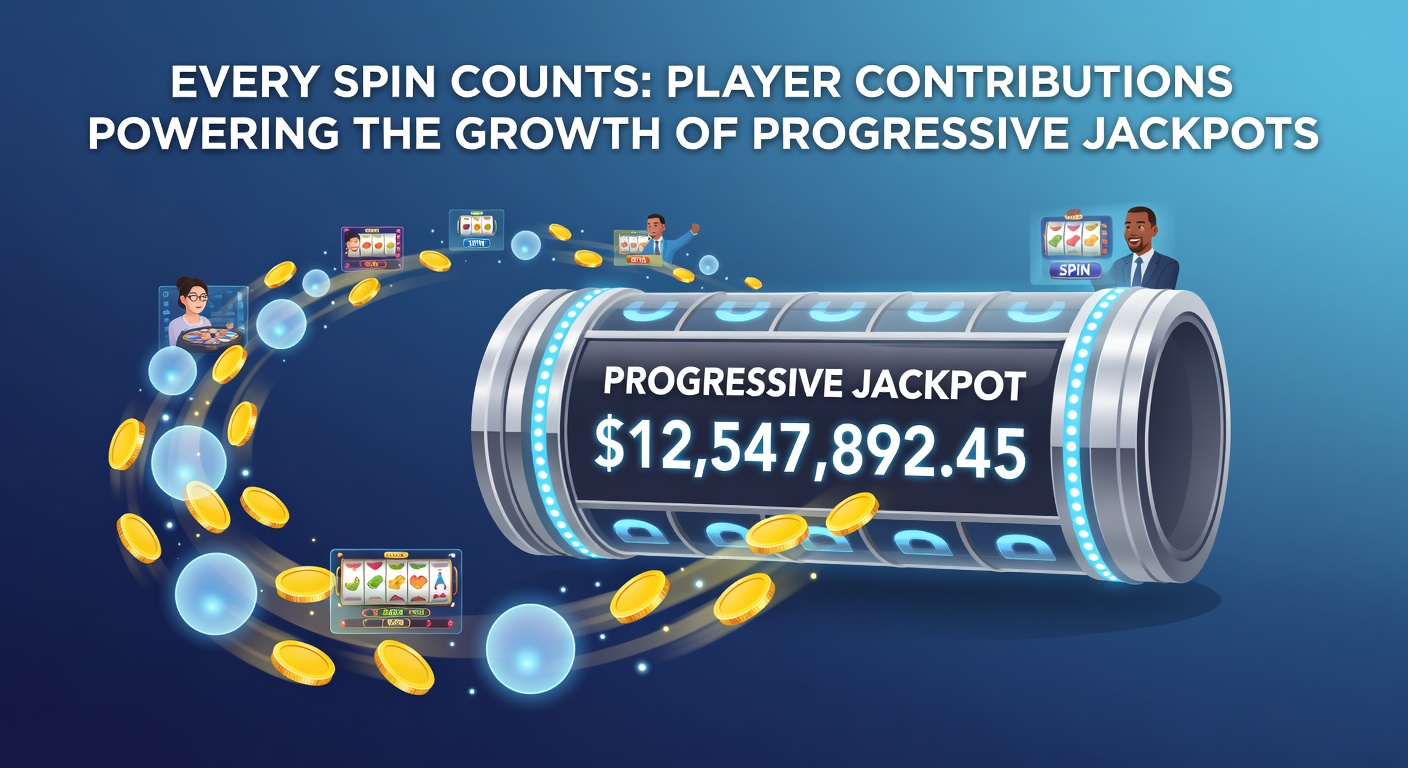
Linking turns individual spins into a global chorus; software from providers like Microgaming or Playtech synchronizes meters across casinos, ensuring a spin in Las Vegas nudges the same pot as one in Sydney, creating pools that balloon unpredictably yet reliably. Data reveals networked progressives pay out 20-30% more frequently on average than locals because broader participation seeds faster growth, drawing in crowds who chase the visible climb.
Turns out, player density matters hugely; during events like major tournaments or seasonal promotions—not tied to free spins—traffic spikes send contributions soaring, with some April 2026 bingo networks reporting 40% hourly growth on linked dailies. And while slots lead in sheer scale, bingo's social rooms foster loyalty, where regulars' consistent play sustains pots between big wins. One case from Canadian regulators highlights a cross-province slot network that hit CA$15 million after 18 months of steady player feeds, underscoring how persistence pays off collectively.
Yet scale brings challenges; regulators in places like Nevada mandate transparent contribution disclosures, as per Nevada Gaming Control Board guidelines, ensuring players grasp exactly where their bets go amid the frenzy.
Real-World Examples: Spins That Built Empires
Consider the story of a quiet Tuesday in early 2025, when a cluster of European slots players—uncoordinated but relentless—pushed a networked progressive from £500,000 to £2.1 million over 48 hours through sheer spin volume; no promotions needed, just everyday contributions stacking up. Researchers analyzing logs found over 1.2 million qualifying bets fed that surge, averaging 2% per wager, proving volume trumps virality sometimes.
So too in bingo halls, where one Australian network in 2024 saw a daily progressive explode via afternoon sessions; dabbers contributing via £0.10 lines built a AU$250,000 pot in days, paid out to a single full house claim. These tales repeat globally, with data showing 2026 trends leaning toward mobile-linked systems where contributions flow 24/7, unhindered by venue hours. People who've studied patterns notice how weekends amplify this—traffic doubles, meters race, and wins follow, perpetuating the cycle.
It's noteworthy that retention plays in; winners often reinvest portions, but even non-jackpot players keep spinning for the chase, their bets ensuring the next pot starts strong right after a payout resets it.
Trends Shaping Contributions in 2026 and Beyond
April 2026 brings fresh dynamics, as blockchain-tracked progressives emerge in select markets, verifying every contribution transparently to build trust and draw hesitant players; early pilots in EU jurisdictions report 25% uptake boosts from this tech. Meanwhile, AI optimizes networks by predicting spin peaks, routing contributions more efficiently across low-traffic zones, although core growth stays player-led.
But the reality is, demographics shift too; younger players favor quick-hit mobile slots, contributing micro-bets en masse via apps, while veterans anchor bingo with larger stakes. Figures from industry audits project progressive pools to average 18% larger by year-end, propelled by this blend. And cross-game hybrids—slots feeding bingo pots—multiply impacts, as one spin ripples further.
- Mobile surge: 60% of contributions now app-based, per recent surveys.
- Global linking: Asia-Pacific networks grow fastest, linking 500+ titles.
- Sustainability push: Some operators cap house takes, maximizing player shares.
Conclusion
Player contributions remain the heartbeat of progressive jackpots, transforming routine spins into engines of explosive growth across slots and bingo landscapes. Networks harness this collective power, turning pennies into fortunes through relentless accumulation, while 2026 innovations like transparent tracking promise even fairer feeds. Data underscores the math: more spins, bigger pots, inevitable payouts— a cycle where every participant shapes the summit. Those who engage see the meters rise firsthand, fueling the endless chase.