Contribution Mechanics Powering Growth in Mobile Casino Reward Pools
Written by Quinn Werner · Aug 22, 2026
Contribution Mechanics Powering Growth in Mobile Casino Reward Pools
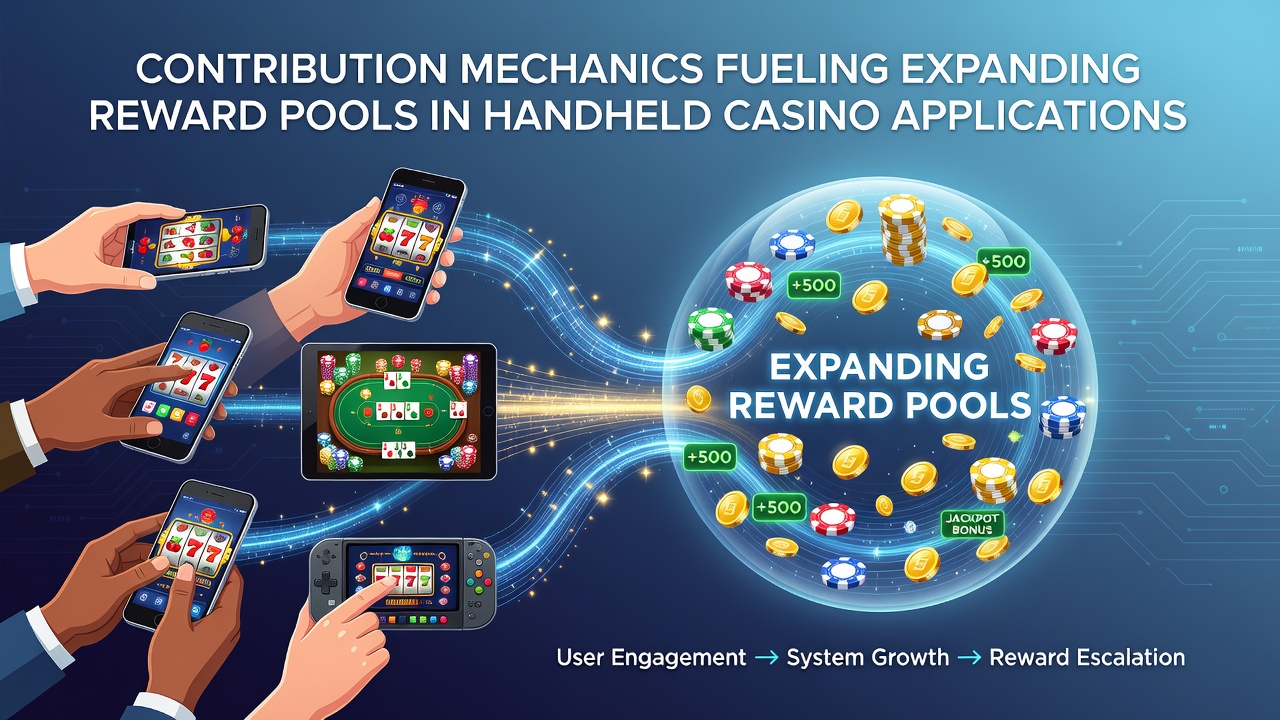
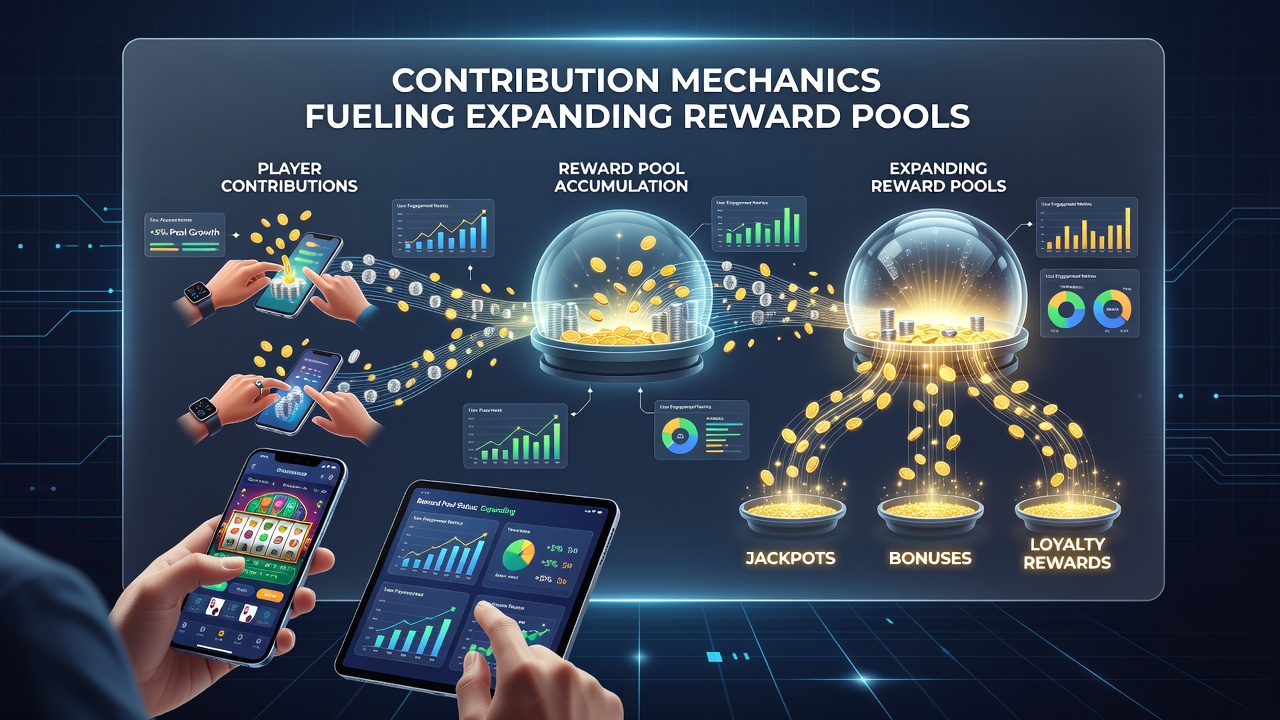
Contribution mechanics form the foundation of expanding reward pools in handheld casino applications, where a defined percentage of each wager feeds directly into progressive systems that grow over time, and these mechanisms operate across slots and bingo formats on mobile platforms. Players place bets through apps, a portion of those stakes routes into the pool according to preset rules, and the total accumulates until a qualifying win occurs. Data from the American Gaming Association indicates that such structures have supported consistent pool growth in regulated mobile environments throughout 2025 and into August 2026.
Handheld applications implement these mechanics through software that tracks every bet in real time, calculates the contribution rate automatically, and updates the visible pool balance for users. The process relies on algorithms that apply fixed percentages, often ranging from 1 to 5 percent depending on the game, while separate contributions may route to different tiers of the same progressive network. Observers note that this automated allocation allows pools to expand rapidly when player volume increases, particularly during peak evening hours when mobile traffic surges.
Core Allocation Rules in Mobile Environments
Allocation begins at the point of wager placement, where the application identifies the game type and applies the corresponding contribution percentage before any other deductions occur. In progressive slot titles the contribution typically supports a main jackpot plus secondary tiers, whereas bingo variants may divide contributions between daily drops and linked progressive prizes. Research from the European Gaming and Betting Association shows that clear rule documentation helps maintain transparency across different jurisdictions that license mobile casino operations.
Multiple games often link into shared pools, so a single bet on one title can increase several connected jackpots simultaneously. This linkage requires precise synchronization between servers and the mobile client, ensuring that every contribution registers without delay or duplication. Those who study network architecture point out that such synchronization prevents discrepancies that could otherwise arise during high-volume periods.
Technical Implementation Across Platforms
Developers embed contribution logic inside the game engine itself, allowing the mobile application to calculate and transmit data securely to central servers that manage the pools. Encryption protocols protect transaction details during transfer, while audit logs record every contribution for compliance verification. As of August 2026, several major platforms have upgraded their systems to handle higher transaction volumes without interrupting pool growth calculations.
Bet thresholds determine eligibility for different pool tiers, meaning smaller wagers may contribute only to base levels while larger bets unlock access to top-tier prizes. These thresholds appear in game rules and vary by title, yet the contribution percentage remains consistent regardless of stake size within each category. Figures from industry reports reveal that clear threshold communication reduces player confusion and supports steady pool expansion.
Impact on Reward Pool Expansion
Reward pools expand at rates directly tied to overall betting activity, so periods of increased mobile engagement produce faster growth. Seasonal events and promotional campaigns can accelerate this process further by drawing additional participants who each add incremental contributions. The reality is that pool size at any moment reflects the cumulative effect of thousands of individual wagers processed through the contribution system.
Networked progressives that span multiple operators or regions demonstrate even larger growth potential because contributions aggregate from a broader player base. Such networks require coordinated agreements between license holders and centralized management of the shared pool. A study published by the University of Nevada Reno examined how these cross-operator arrangements have scaled mobile jackpot totals over recent years.
Examples from Slots and Bingo Formats
Take a progressive slot title where each spin contributes 2 percent of the bet to the main pool and 0.5 percent to a secondary pool. Over thousands of spins the main pool can reach substantial figures before a player hits the required combination. In parallel, a bingo application may allocate 1.5 percent of each ticket purchase to a daily drop that resets at set intervals while routing another percentage to a progressive jackpot that carries over.
These examples illustrate how contribution rates adapt to different game structures while maintaining the same underlying principle of steady pool growth through repeated small additions. Mobile interfaces display current pool values prominently, allowing users to monitor expansion in real time without leaving the application.
Conclusion
Contribution mechanics continue to underpin expanding reward pools in handheld casino applications by directing portions of wagers into progressive systems that accumulate across slots and bingo offerings. Technical implementations ensure accurate allocation and secure transmission, while network linkages amplify growth potential through broader participation. Data from established industry and academic sources confirm that these processes operate consistently within regulated mobile environments as player volumes evolve.