Charting Validation Protocols Through Interlinked Progressive Jackpot Architectures in Mobile Play
Written by Quinn Simmons · Jun 18, 2026
Charting Validation Protocols Through Interlinked Progressive Jackpot Architectures in Mobile Play
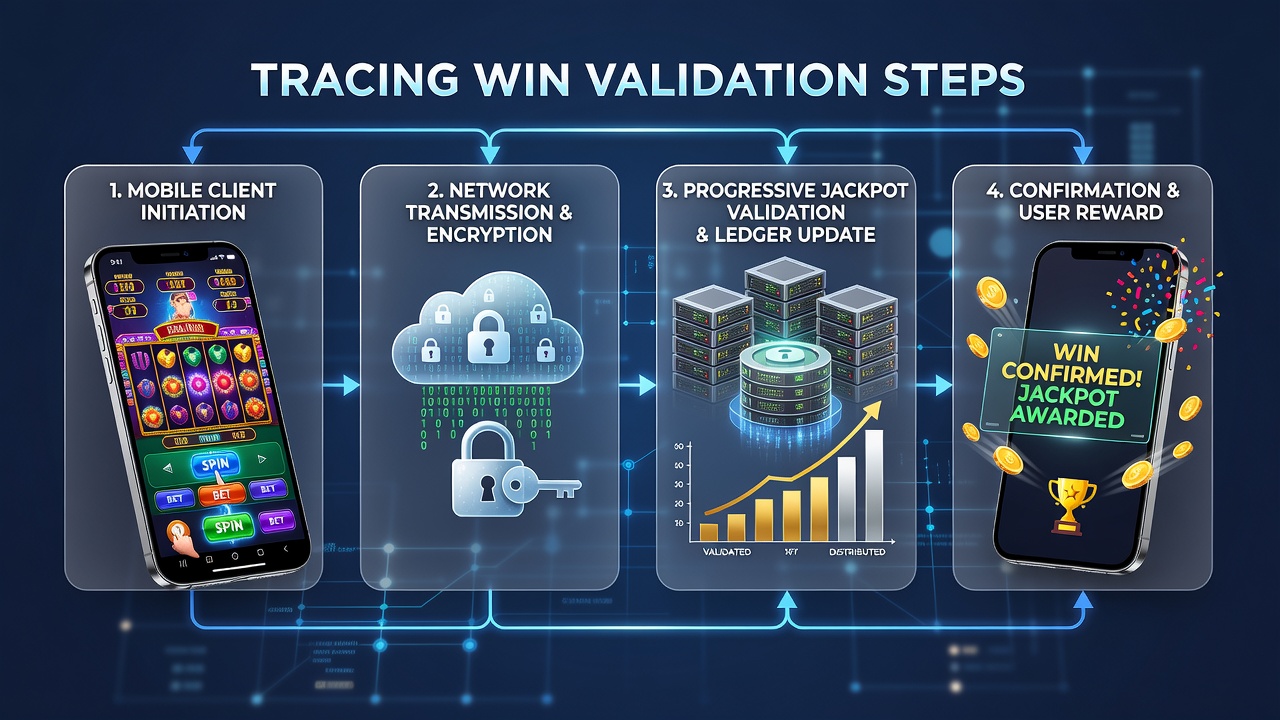
Networked progressive systems operate by pooling contributions from multiple mobile platforms into shared prize pools that grow with each qualifying wager, and validation begins the moment a player places a bet that meets the threshold requirements for jackpot eligibility. Mobile casino operators synchronize these contributions in real time across servers located in different jurisdictions, which means each spin or bingo draw must transmit data packets containing bet size, game identifier, and timestamp to a central hub before any outcome can be confirmed as a potential winner.
Initial Detection and Local Verification Layers
Local game servers on the operator side first check the random number generator output against the progressive trigger rules, then cross-reference the wager against minimum bet levels required for that particular jackpot tier, while a secondary check confirms the player's account status and session integrity through encrypted tokens passed between the mobile app and the backend. Those who've studied these systems note that discrepancies at this stage, such as mismatched timestamps or incomplete data packets, trigger an automatic flag that pauses further processing until the issue resolves through automated retries or manual review by technical staff.
Research from the University of Nevada's gaming analytics programs shows that the majority of flagged wins stem from network latency rather than outright fraud, and operators in regulated markets like New Jersey route these checks through the Division of Gaming Enforcement's monitoring feeds to maintain compliance records. New Jersey Division of Gaming Enforcement reports indicate mobile progressive wins increased steadily through the first half of 2026, with validation protocols handling thousands of daily transactions without interruption.
Cross-Network Synchronization and Multi-Site Confirmation
Once local checks pass, the system escalates the claim to the networked progressive controller, which compares the winning combination against the current pool value stored across all participating sites, and this step requires consensus from multiple independent servers to prevent single-point tampering. Data packets travel through secure channels that log every hop, creating an audit trail that regulators can access during periodic reviews, while algorithms verify that the jackpot seed and contribution percentages align with the published rules for that game family.
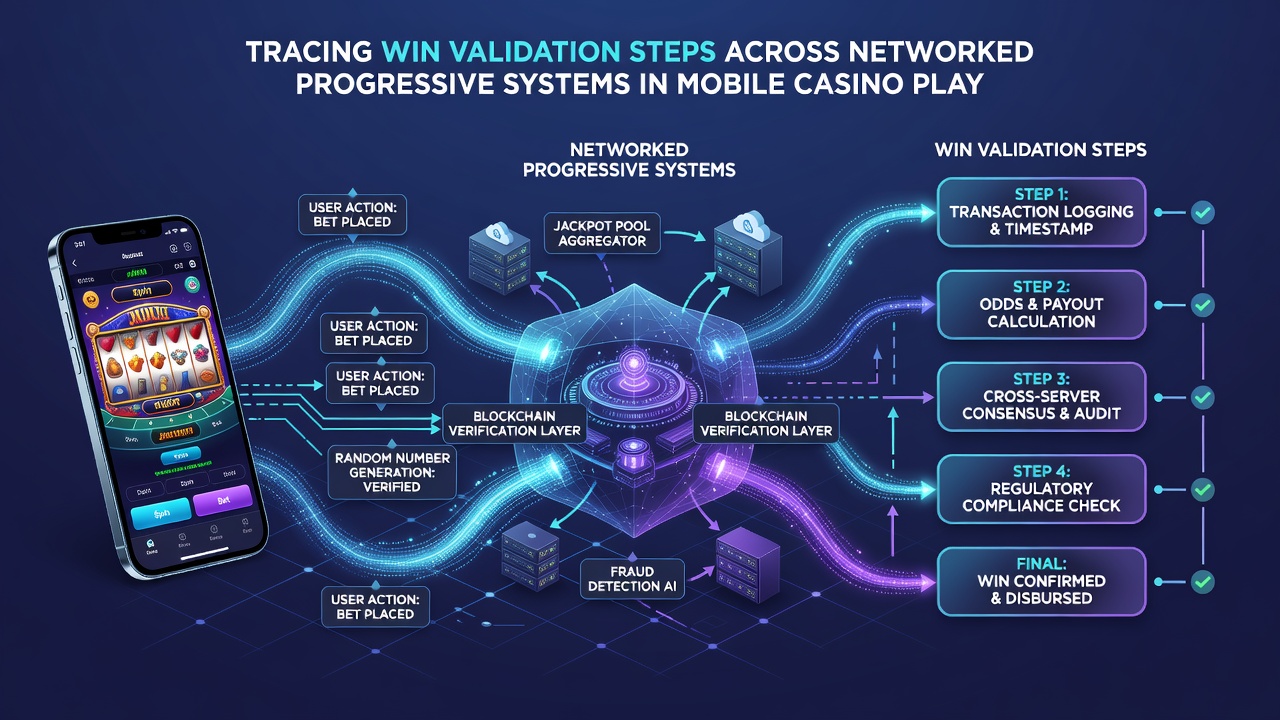
What's notable is how mobile-specific factors enter the process, including device fingerprinting and geolocation data that must match the player's registered jurisdiction before the win advances, and operators often run parallel checks against historical play patterns to detect anomalies. In June 2026 several platforms reported upgrades to their synchronization engines that reduced average validation time from 45 seconds to under 20, according to internal performance metrics shared at industry conferences.
Regulatory Oversight and Final Payout Authorization
Regulatory bodies in multiple regions require that progressive wins above certain thresholds undergo additional manual verification, including identity confirmation and source-of-funds reviews, before funds transfer to the player's account. Observers note that this phase incorporates cryptographic signatures from the progressive controller to prove the win originated from legitimate play rather than simulated results, and mobile platforms must retain session replays for a mandated period so auditors can reconstruct events if disputes arise.
Figures from Canadian provincial regulators reveal that coordinated progressive networks spanning multiple provinces processed over 1.2 million jackpot-eligible spins daily during early 2026, with validation failure rates remaining below 0.3 percent thanks to redundant server clusters. The final authorization step releases the prize only after all preceding layers confirm consistency, at which point the mobile operator credits the account and updates the progressive meter across the entire network.
Conclusion
Validation sequences in these architectures rely on layered checks that begin at the device level and extend through centralized controllers, incorporating technical, regulatory, and operational safeguards at each stage. Mobile casino play continues to drive volume in networked progressives, and the protocols described here ensure that wins reach verified players while preserving the integrity of shared prize pools across jurisdictions.