Charting Transaction Pathways That Bridge Rule Compliance With Prize Distributions in Accumulative Mobile Formats
Written by Otto Perry · Jul 16, 2026
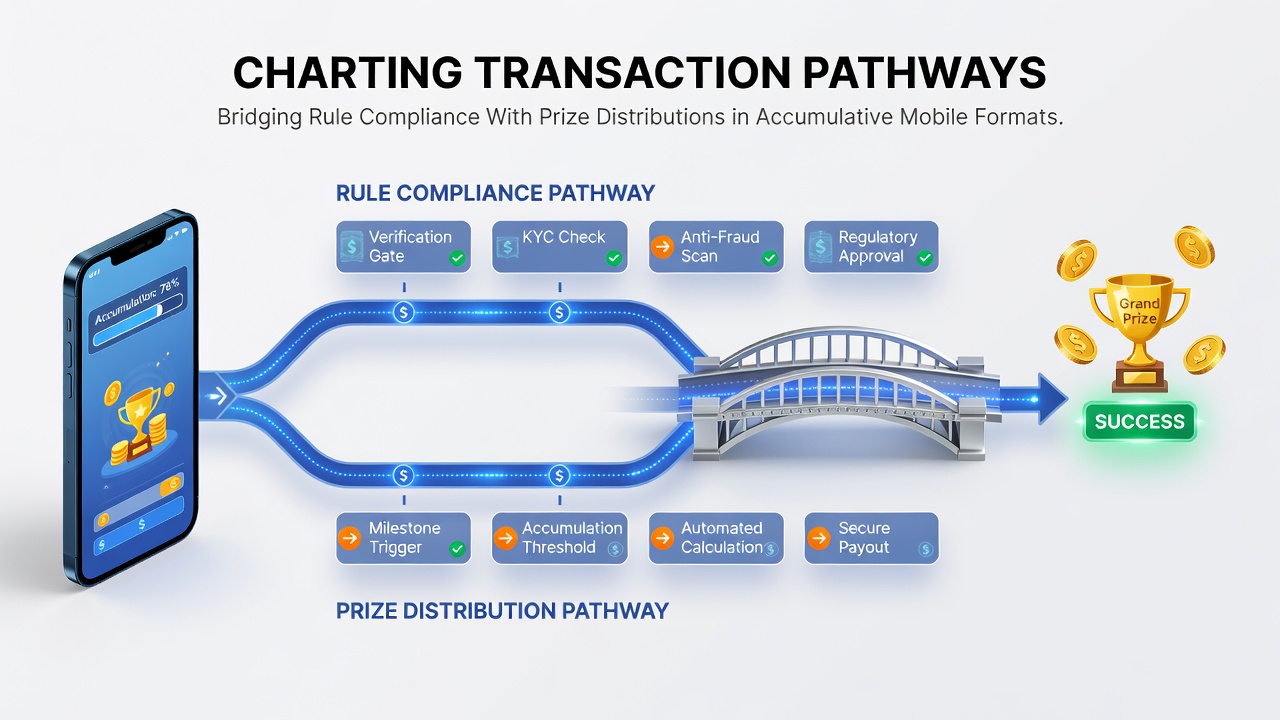
Charting Transaction Pathways That Bridge Rule Compliance With Prize Distributions in Accumulative Mobile Formats
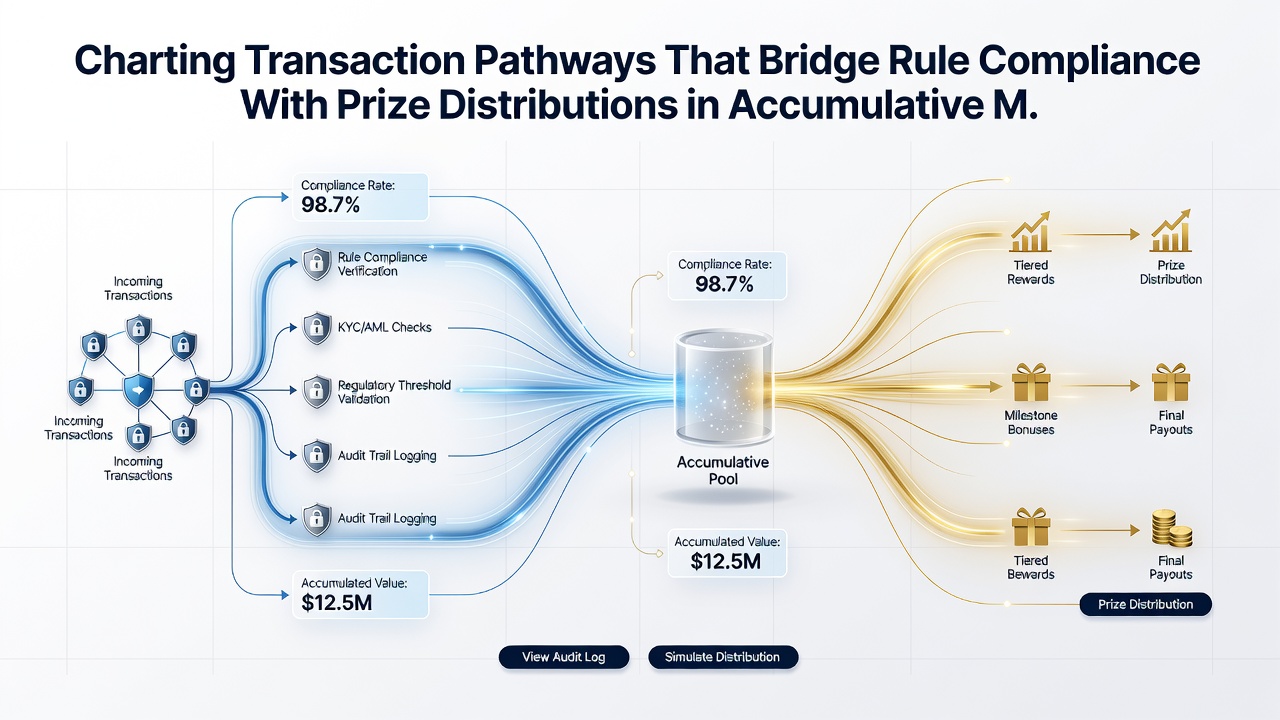
Transaction pathways in accumulative mobile formats connect player deposits directly to growing prize pools while embedding regulatory checkpoints at every stage, and these systems operate across slots and bingo platforms where contributions from each bet feed progressive or daily drop mechanisms. Observers note that mobile interfaces streamline the initial funding step, yet backend ledgers record every transfer against compliance databases before any amount reaches the accumulation engine, which ensures adherence to anti-money laundering protocols without interrupting the flow of play.
Mapping Deposit and Accumulation Routes
Players initiate pathways through secure mobile wallets that interface with licensed payment processors, and funds move into operator accounts where automated scripts verify source and amount against jurisdictional thresholds. Research from the Nevada Gaming Control Board indicates that real-time screening occurs within milliseconds of each deposit, flagging anomalies before the sum participates in jackpot growth, while the same pathways simultaneously allocate portions of wagers into separate compliance reserves that regulators audit quarterly.
Accumulation itself follows deterministic rules where a fixed percentage of every qualifying bet increments the pool, and mobile apps display live totals that update after each transaction clears. Those who study these networks find that synchronization between front-end displays and central servers prevents discrepancies, because any delay in compliance verification pauses the contribution rather than risking invalid entries into the prize ledger.
Compliance Gates Within Prize Pathways
Rule compliance integrates into transaction sequences through layered authentication that activates at trigger points, such as when a player's cumulative bets approach jackpot eligibility tiers. Data from the Australian Communications and Media Authority shows that geolocation and identity cross-checks run continuously in the background, and these checks route flagged accounts into manual review queues without halting the broader pool growth for compliant participants.
Once a win condition activates, the pathway diverts the prize through a separate verification branch that confirms the transaction history against game rules before release. Operators route these high-value distributions via encrypted channels that log every approval step, and external auditors receive anonymized summaries that demonstrate how compliance checkpoints preserved the integrity of the original accumulation process.
Distribution Mechanics and Record-Keeping
Prize distributions follow predefined schedules that release smaller daily drops immediately upon confirmation while routing larger progressive wins through extended review cycles lasting up to seventy-two hours. Figures from the European Gaming and Betting Association reveal that July 2026 recorded a measurable uptick in mobile-triggered accumulations, with transaction volumes rising alongside seasonal player activity patterns across European and North American markets.
Record-keeping systems maintain immutable logs that trace each prize back through its originating bets, compliance flags, and final transfer instructions, and these chains allow regulators to reconstruct entire pathways during routine examinations. Mobile platforms employ timestamped receipts that players access directly, yet the operator retains parallel records that satisfy both internal audits and external oversight requirements.
Regional Variations in Pathway Design
Different jurisdictions impose distinct sequencing on the same core transaction model, and Canadian provincial regulators emphasize pre-deposit source-of-funds declarations that integrate into the initial mobile onboarding flow. In contrast, certain Asian markets embed post-win tax calculations directly into the distribution ledger so that net amounts reach player accounts without separate filings. Observers tracking these differences note that the underlying accumulation logic remains consistent even as compliance overlays adjust the timing and documentation demands along each pathway.
Conclusion
Transaction pathways in accumulative mobile formats demonstrate how rule compliance and prize distribution operate as parallel yet interconnected streams that preserve both regulatory integrity and player access to growing jackpots. Data continues to show that precise mapping of these routes supports transparent operations across expanding mobile ecosystems, and ongoing refinements in verification technology further align the two functions without introducing friction into the core accumulation process.